How Animated Videos Improve Learning, Marketing, and Communication Outcomes
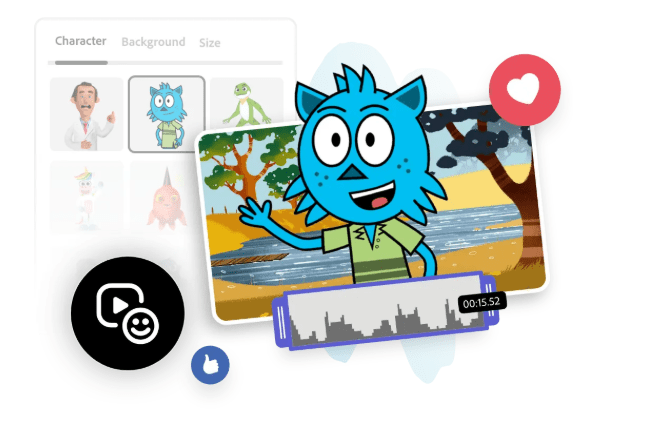
Animated videos have become a core part of modern communication because they simplify information while keeping audiences engaged. In an age where attention spans are short and information overload is common, animation provides clarity by combining visuals, structure, and motion into a single format that is easy to follow and remember.
One of the main reasons animation is so effective is its ability to guide viewers through information step by step. Instead of forcing audiences to interpret dense text or static visuals, animation naturally controls pacing and focus. With access to a free animated video maker, individuals and organizations can now communicate ideas visually without relying on advanced technical skills.
This shift has made animated videos widely used in education, business communication, and digital content creation. The format is no longer limited to large organizations-it is now a practical option for anyone who needs to explain, teach, or persuade clearly.
Why Animation Works Better Than Static Content
Static content often requires more effort from the audience. Readers must process information on their own, decide what matters most, and mentally visualize concepts. Animation removes much of this friction by showing rather than telling.
Key advantages of animated content include:
- Visual hierarchy that highlights important points
- Controlled pacing that prevents overload
- Clear sequencing of ideas
- Stronger memory retention
Because the information unfolds gradually, viewers stay focused and absorb more of the message.
Making Complex Ideas Easier to Understand
Some concepts are difficult to explain using text alone. Processes, systems, timelines, and abstract ideas can be confusing without visual support. Animated videos turn these challenges into clear visual narratives.
Examples of where animation excels:
- Explaining workflows or step-by-step processes
- Showing cause-and-effect relationships
- Demonstrating changes over time
- Breaking down abstract concepts
This makes animation particularly effective in educational and instructional contexts, where understanding is more important than speed.
Improving Audience Engagement
Engagement is a critical metric for any form of communication. If the audience stops paying attention, the message fails. Animation naturally increases engagement because movement attracts the human eye and keeps viewers watching longer.
Animated videos help:
- Reduce drop-off rates
- Increase completion rates
- Encourage sharing and interaction
- Keep audiences focused from start to finish
This makes them ideal for situations where attention is limited, such as online learning, social content, or internal communications.
Supporting Different Learning Styles
People learn in different ways. Some prefer reading, others listening, and many learn best visually. Animated videos combine multiple learning modes, making them accessible to a broader audience.
They support:
- Visual learners through imagery and motion
- Auditory learners through narration
- Logical learners through structured sequencing
By appealing to multiple learning styles at once, animated videos improve comprehension across diverse audiences.
Saving Time Without Sacrificing Quality
Creating traditional content can be time-consuming, especially when revisions are needed. Animated videos streamline communication by delivering more information in less time.
A short animated video can:
- Replace long explanations
- Reduce the need for repeated clarification
- Communicate key points quickly and clearly
This efficiency benefits both creators and viewers, making communication more effective overall.
Animated videos help people understand ideas in a more relatable and human way by turning information into simple visual stories. This approach makes learning feel less overwhelming and more connected to real experiences, especially when content focuses on awareness, habits, and personal growth. Platforms like Lifelens Journey naturally align with this style of communication by exploring how information, routines, and small insights shape understanding over time.
Maintaining Consistent Messaging
Consistency is essential for trust and professionalism. Animated videos help maintain consistency by using the same visual structure, tone, and style across different messages.
Consistent animation:
- Reinforces key ideas
- Reduces confusion
- Builds recognition and credibility
This is especially useful for educational programs, training materials, and ongoing communication initiatives.
Adapting Content for Multiple Purposes
Animated videos are highly reusable. Once created, the same content can be adapted for different contexts without rebuilding everything from scratch.
Common reuse scenarios include:
- Training sessions
- Online content
- Presentations
- Internal communication
This flexibility increases the long-term value of animated content and supports sustainable content creation strategies.
Long-Term Benefits of Animated Communication
Unlike trend-based content, well-designed animated videos remain relevant over time. They focus on clarity and structure rather than temporary styles, which gives them a longer lifespan.
Long-term benefits include:
- Continued usability
- Easy updates
- Cross-platform compatibility
- Strong return on time invested
This makes animation a practical choice for organizations and individuals focused on long-term impact.
Conclusion: Why Animated Videos Are a Smart Communication Choice
Animated videos combine clarity, engagement, and efficiency in a way few other formats can match. With access to a free animated video maker, creators can focus on delivering meaningful messages instead of struggling with format limitations.
Whether used for education, explanation, or communication, animation provides a clear advantage by making information easier to understand, remember, and act upon. As visual communication continues to dominate, animated videos remain one of the most effective tools for delivering ideas with impact.