Soutaipasu: The Secret to Perfect Food and Drink Harmony
In today’s fast-paced world of food trends, fusion cuisines, and experimental beverages, one concept is quietly redefining how people experience meals: Soutaipasu. Unlike ordinary food pairing ideas that focus only on taste, Soutaipasu emphasizes harmony—a balanced relationship between what you eat and what you drink. It is not about overpowering flavors or extravagant combinations; instead, it is about subtle alignment that enhances the overall dining experience.
Whether you are enjoying a simple home-cooked meal or dining at a high-end restaurant, understanding Soutaipasu can transform the way you perceive food. This philosophy encourages mindfulness, improves digestion, and helps you appreciate flavors more deeply. In this guide, we will explore what Soutaipasu truly means, where it comes from, how it works, and how you can practice it effortlessly in everyday life.
What Is Soutaipasu?
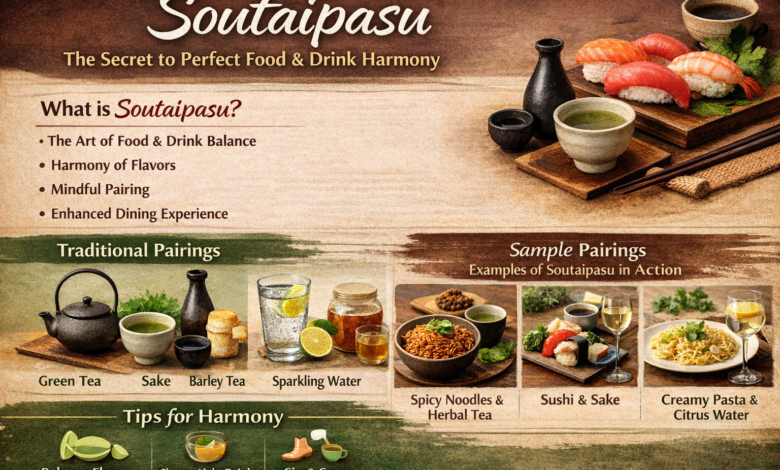
Soutaipasu is a food and drink pairing philosophy rooted in balance and compatibility. Rather than pairing food with drinks based solely on popularity or habit, Soutaipasu focuses on how beverages interact with flavors, textures, and temperatures of food.
At its core, Soutaipasu suggests that:
- Drinks should support food, not dominate it
- Each sip should refresh the palate and prepare it for the next bite
- The goal is overall harmony, not individual intensity
Unlike traditional Western pairings, which often highlight bold contrasts (such as strong wine with rich meat), Soutaipasu values subtlety and flow. The drink becomes an extension of the meal rather than a separate element.
The Meaning and Cultural Roots of Soutaipasu
The term Soutaipasu is often associated with Japanese dining culture, where balance and restraint are deeply valued. Japanese cuisine has long emphasized harmony between flavors, presentation, and experience. Soutaipasu reflects this mindset by encouraging thoughtful pairing rather than indulgent excess.
- Meals are designed to avoid overwhelming the senses
- Drinks like green tea or light sake cleanse the palate
- The focus is on how each element complements the whole
Soutaipasu is not a strict rulebook; it is a philosophy. While it originated from traditional practices, it has evolved to fit modern global cuisine, making it relevant far beyond Japan.
The Philosophy Behind Soutaipasu
Soutaipasu is built on three core principles:
1. Balance Over Boldness
Instead of strong, overpowering beverages, Soutaipasu encourages drinks that gently enhance flavors. A light tea may work better than a sugary soda, and sparkling water may outperform heavy cocktails.
2. Mindful Consumption
Soutaipasu aligns with mindful eating. It encourages awareness of how food and drink affect your body, digestion, and enjoyment.
3. Flow and Continuity
The ideal pairing allows flavors to flow smoothly from bite to sip and back again. Nothing should feel abrupt or jarring.
This philosophy turns meals into experiences rather than routines.
Why Soutaipasu Matters in Modern Dining
In an age where people are increasingly health-conscious and experience-driven, Soutaipasu feels especially relevant.
Enhances Flavor Experience
Thoughtful pairing helps individual ingredients shine. Instead of masking flavors, the right drink highlights subtle notes in food.
Supports Digestion
Light, balanced drinks are easier on the stomach than sugary or overly alcoholic beverages, making meals more comfortable and satisfying.
Encourages Healthier Choices
Soutaipasu naturally reduces reliance on sodas and heavy drinks, promoting teas, infused waters, and low-sugar options.
Fits Global Food Trends
From wellness dining to minimalist cuisine, Soutaipasu aligns perfectly with modern food culture.
Traditional Drinks Used in Soutaipasu
Traditional Soutaipasu practices often rely on simple, time-tested beverages.
Green Tea
Green tea is one of the most classic Soutaipasu drinks. Its mild bitterness cleanses the palate and balances oily or salty foods without overpowering them.
Sake
Light, clean sake pairs beautifully with seafood, rice dishes, and grilled foods. It enhances umami flavors while remaining smooth and subtle.
Barley Tea and Herbal Teas
These caffeine-free options are refreshing and neutral, making them ideal for everyday meals.
Modern Drinks That Follow Soutaipasu Principles
Soutaipasu is not limited to traditional beverages. Many modern drinks align perfectly with its philosophy.
Sparkling Water
Its gentle carbonation refreshes the palate and cuts through richness without adding sweetness.
Infused Water
Water infused with lemon, cucumber, or herbs provides light flavor while staying neutral.
Non-Alcoholic Fermented Drinks
Kombucha and similar drinks, when lightly flavored, can complement meals without overwhelming them.
Light Wines and Beers
When consumed thoughtfully, low-alcohol wines and crisp beers can fit into Soutaipasu-style pairings.
Practical Soutaipasu Pairing Examples
Here are simple examples of how Soutaipasu works in real meals:
- Spicy noodles → Mild herbal tea
The tea calms heat and refreshes the palate. - Sushi and sashimi → Green tea or chilled sake
Enhances delicate flavors and cleanses between bites. - Grilled fish → Sparkling water or light white wine
Cuts richness and highlights freshness. - Creamy pasta → Citrus-infused water
Balances heaviness with acidity.
These pairings show that Soutaipasu is practical, not complicated.
How to Practice Soutaipasu at Home
You don’t need special training to apply Soutaipasu. Follow these simple steps:
- Observe the food – Is it spicy, oily, sweet, or light?
- Choose a complementary drink – Neutral or lightly contrasting flavors work best.
- Test and adjust – Take a bite, sip, and notice how they interact.
Start with familiar meals and experiment gradually.
Soutaipasu in Restaurants and Global Cuisine
Many modern restaurants unknowingly practice Soutaipasu. Tasting menus, tea pairings, and minimalist drink selections all reflect this philosophy.
Globally, chefs are embracing:
- Alcohol-free pairings
- Tea-based menus
- Seasonal and ingredient-driven drinks
These trends show that Soutaipasu is not just a concept—it is shaping the future of dining.
Common Mistakes to Avoid
While practicing Soutaipasu, avoid these common errors:
- Overly sweet drinks that overpower food
- Heavy alcohol that numbs the palate
- Ignoring temperature, such as hot drinks with delicate cold dishes
Simplicity is key.
Frequently Asked Questions About Soutaipasu
Is Soutaipasu only Japanese?
No. While inspired by Japanese culture, it applies to all cuisines.
Does Soutaipasu require alcohol?
Not at all. Non-alcoholic drinks are often better aligned with its philosophy.
Can Soutaipasu improve digestion?
Yes. Balanced drinks can reduce bloating and discomfort.
Conclusion: Why You Should Try Soutaipasu
Soutaipasu is more than a trend—it is a mindful approach to eating and drinking that prioritizes balance, enjoyment, and well-being. By choosing drinks that complement rather than compete with food, you can transform even the simplest meal into a refined experience.
Whether at home or in a restaurant, practicing Soutaipasu helps you slow down, appreciate flavors, and enjoy meals in a more intentional way. Try it with your next meal, and you may never look at food and drink pairings the same way again.